Bosque Management
The Rio Grande bosque is one of New Mexico's most beloved natural treasures. Running through the heart of the Albuquerque metropolitan area, this riverside cottonwood forest provides a place for recreation and a quiet retreat from the hustle and bustle of the surrounding city.
But the majestic cottonwoods that shade urban refugees and shelter wildlife are in trouble. They, and other indigenous trees such as native willows and New Mexico olive, are threatened by competition from invasive non-native plants including Salt Cedar, Tree of Heaven, Siberian Elm, and Russian olive. These non-native phreatophytes (plants adapted to drawing water from the shallow water table) aggressively colonize the river banks and spread into the riparian forest, forming dense thickets that consume large quantities of shallow groundwater, alter wildlife habitat, and create increased wildfire hazard in the bosque.
Ciudad is one of eight Soil and Water Conservation Districts taking part in the Greater Rio Grande Watershed Alliance, a program that has received state as well as federal funding to remove salt cedar, Russian olives and other invasive phreatophyte species from the bosque with the objective of reducing their drain on available water, concurrently improving the health of the riparian area, and reducing the risk of wildfire.
A major challenge for the current managment and the futre of the bosque is a reduction in water flow and available moisture. As the cottonwood forest matures, and there are limited new cottonwoods growing in to replace them it is expected that the species make up and overall structure of the bosque will continue to change. A common goal among land management organizations is to manage for the promotion of a patchwork mosaic, where there are areas of cottonwood forest adjancent to areas or open meadow and shrublands.
Some of the phreatophyte control projects that Ciudad has completed include:
Willow Creek in Rio Rancho, Rio Grande Nature Center, Jardines del Bosque at the National Hispanic Cultural Center, and approximately 60 acres in the area north of I-40 affected by the 2003 Atrisco Complex fire. At the Willow Creek site, planting of native vegetation utilized innovative planting techniques that require minimal to no maintenance to be successful.
For projects within our District, herbicides are applied to the unwelcome phreatophytes; when applied correctly the herbicide is carried down into the roots to kill the tree preventing re-sprouting the next season. Monitoring and follow-up treatment of secondary growth are integral parts of the program. Ciudad provides technical assistance to participating landowners who wish to do additional site restoration.
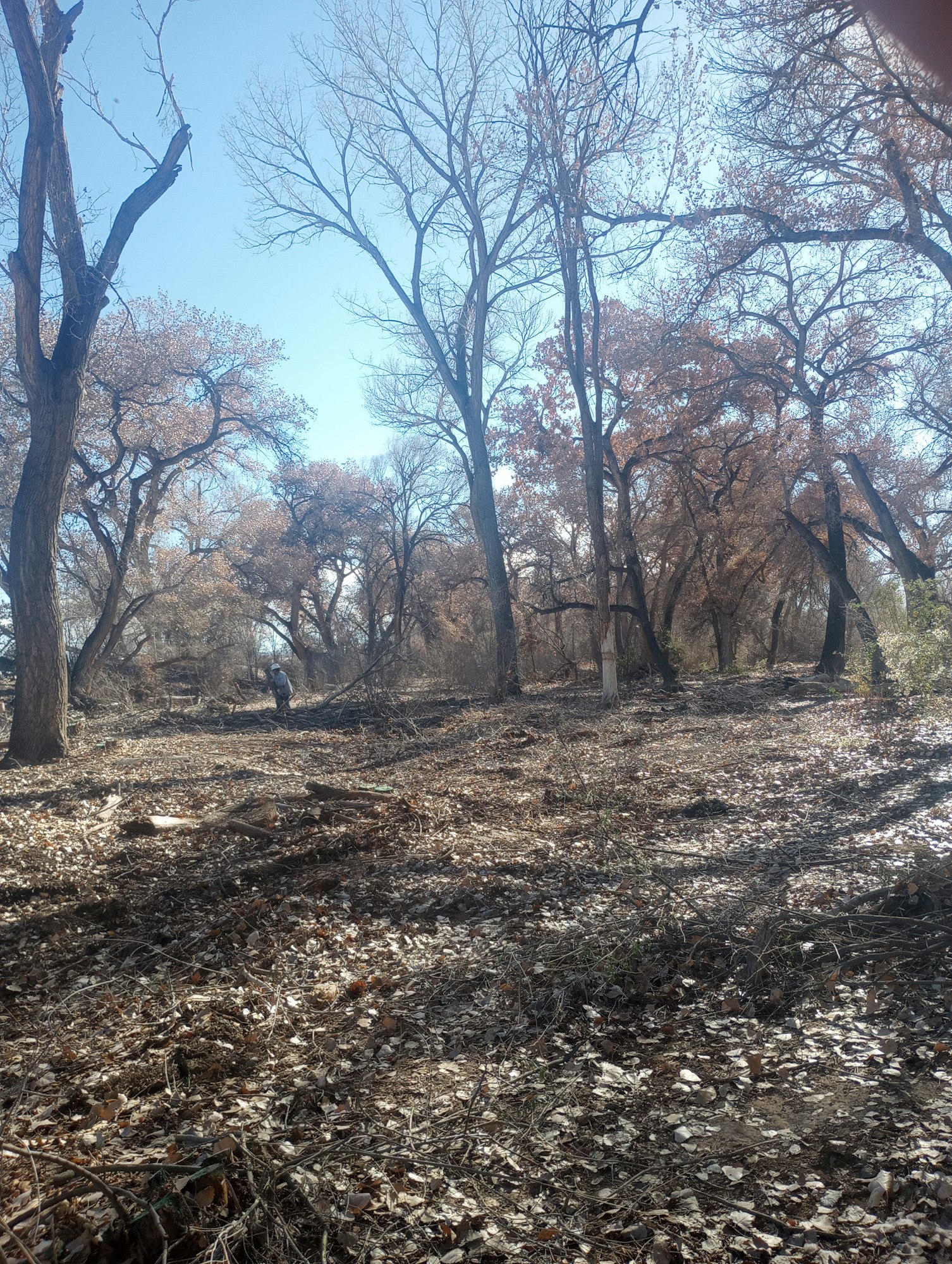
In 2023 and 2024 Ciudad SWCD partnered with City of Albuquerque Open Space, NMFD, MRGCD, and other partners to complete fuels reduction on a total of 192 acres within the Middle Rio Grande Valley State Park. Ciudad continues to work with these partners to promote and coordinate the ongoing retreatment of these acres as well as other bosque acres within the Ciudad district boundaries.
Condition before treatment
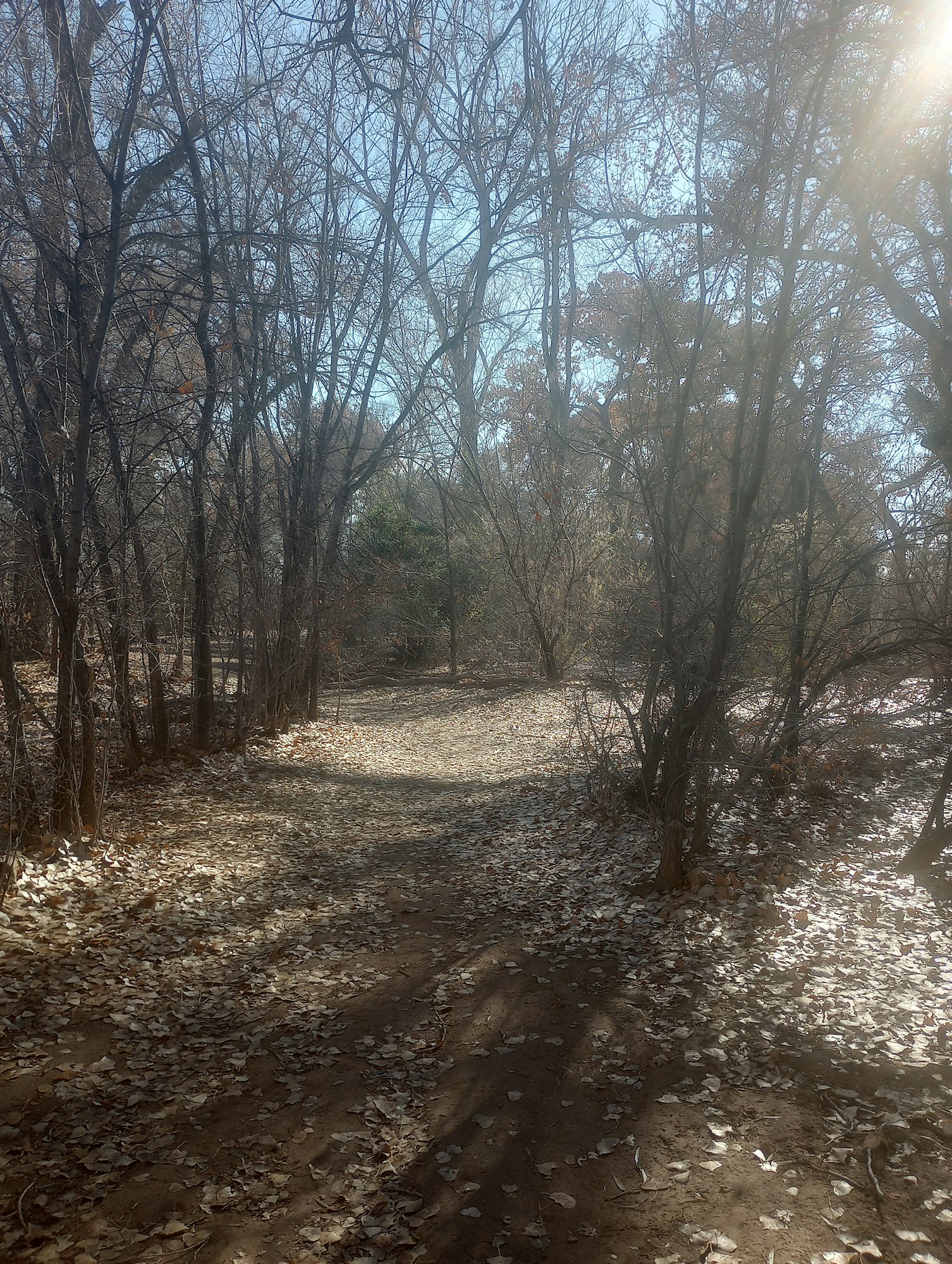
Condition after treatment
Middle Rio Grande Bosque Management
